All You Required to Know Concerning the VR6 Engine: Realities and Insights
The VR6 engine stands for a noteworthy innovation in automotive design. Its unique design combines the characteristics of V6 and inline engines, offering advantages in power and performance. Introduced by Volkswagen, it has actually established an online reputation in various popular designs. As the industry changes towards electrification, the VR6 faces new obstacles. What does the future hold for this famous engine? Discovering its design and efficiency might disclose surprising understandings.
The Engineering Behind the VR6 Engine
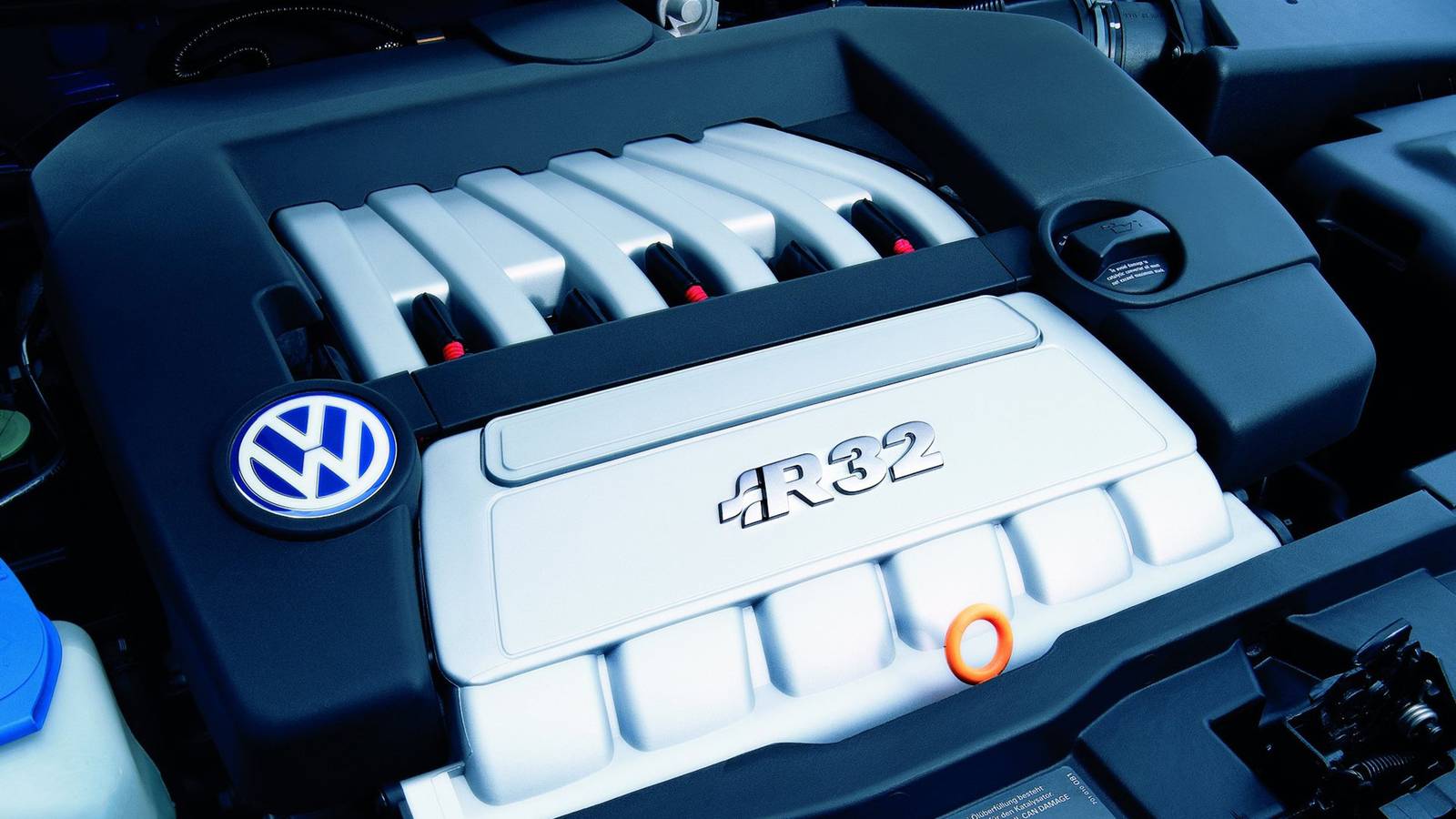
The VR6 engine might appear to be an intricate layout, its design concepts are rooted in a blend of effectiveness and efficiency. This special configuration integrates the characteristics of an inline and a v6 engine, allowing for a small style that suits smaller sized engine bays. The VR6 includes a slim angle in between the cylinder banks, normally around 15 degrees, which lowers overall width while keeping a smooth power delivery. Additionally, the engine utilizes a solitary cyndrical tube head, streamlining manufacturing and maintenance. This style enhances thermal effectiveness and minimizes weight, adding to enhanced handling and responsiveness. With its equilibrium of power and density, the VR6 continues to be a noteworthy success in automotive engineering, appealing to both efficiency fanatics and everyday motorists alike.
Historical Significance of the VR6
What makes the VR6 engine traditionally considerable in the vehicle world? Introduced in the early 1990s by Volkswagen, the VR6 redefined the compact engine layout by incorporating the features of an inline and a v6 engine. This cutting-edge architecture permitted a much shorter engine length, enabling its installment in smaller cars without compromising power. The VR6 swiftly got popularity for its distinct sound and smooth performance, coming to be a characteristic of various Volkswagen and Audi versions. Its capacity to provide a balance of power and efficiency made it a preferable option for suppliers and lovers alike. Additionally, the VR6's impact can be seen in the evolution of engine layout, as it led the way for even more flexible and compact powertrains in the vehicle industry.
Efficiency and Effectiveness Comparisons
When comparing efficiency and performance, the VR6 engine attracts attention due to its one-of-a-kind layout, which permits it to deliver remarkable power result while maintaining good gas economic climate (vr6). The engine's portable setup promotes a balance in between power and weight, enhancing handling and responsiveness. Typically, VR6 engines generate a robust torque curve, contributing to a dynamic driving experience. This characteristic is especially useful in city settings where velocity is important. Furthermore, developments in gas injection and adjusting have actually boosted thermal performance, resulting in lower discharges compared to other engine styles. While turbocharged variations may use higher performance, the VR6 manages to offer an enjoyable blend of power and performance, making it an appealing choice for both fanatics and everyday drivers alike
Popular Autos Featuring the VR6
The VR6 engine has gotten appeal in a range of automobiles, showcasing its convenience and performance capabilities. Largely associated with Volkswagen and Audi, this engine setup has actually been included in models such as the Volkswagen Golf, Jetta, and Passat, where it supplies a balance of power look at here and efficiency. The Audi A3 and TT additionally use the VR6, supplying a flashy driving experience. In addition, the Volkswagen Touareg and Porsche Cayenne have actually employed this engine to boost their performance in the SUV sector. Understood for its compact style, the VR6 enables producers to enhance area while supplying excellent horsepower and torque. This versatility has actually made the VR6 a popular choice among automobile lovers and makers alike.
Future of the VR6 Engine in the Automotive Sector

Regularly Asked Inquiries
What Is the Typical Lifespan of a VR6 Engine?
The typical lifespan of a VR6 engine varies from 150,000 to 200,000 miles, presuming routine maintenance and treatment. Aspects such as driving practices, ecological problems, and engine adjustments can substantially affect durability.
Exactly how Does the VR6 Engine Sound Compared to Various Other Engines?
The VR6 engine creates a distinctive roar, identified by its distinct firing order and setup. Contrasted to inline or V8 engines, it uses a smoother noise profile, frequently referred to as a deep, throaty grumble.
Are There Any Kind Of Typical Issues With the VR6 Engine?
What Type of Oil Is Ideal for a VR6 Engine?
The most effective oil for a VR6 engine is generally a high-quality artificial oil with a thickness rating of 5W-30. This ensures peak efficiency and security, especially under differing temperature problems and driving styles. Normal changes are crucial.
Can the VR6 Engine Be Exchanged Into Various Other Vehicles?
Yes, the VR6 engine can be switched into other vehicles, however compatibility depends on factors like installing points, transmission choices, and electrical wiring. Lovers typically carry out these swaps to enhance efficiency in different car models.
